
Your Intel Mac’s Days Are Numbered
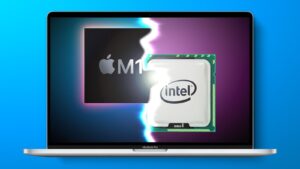
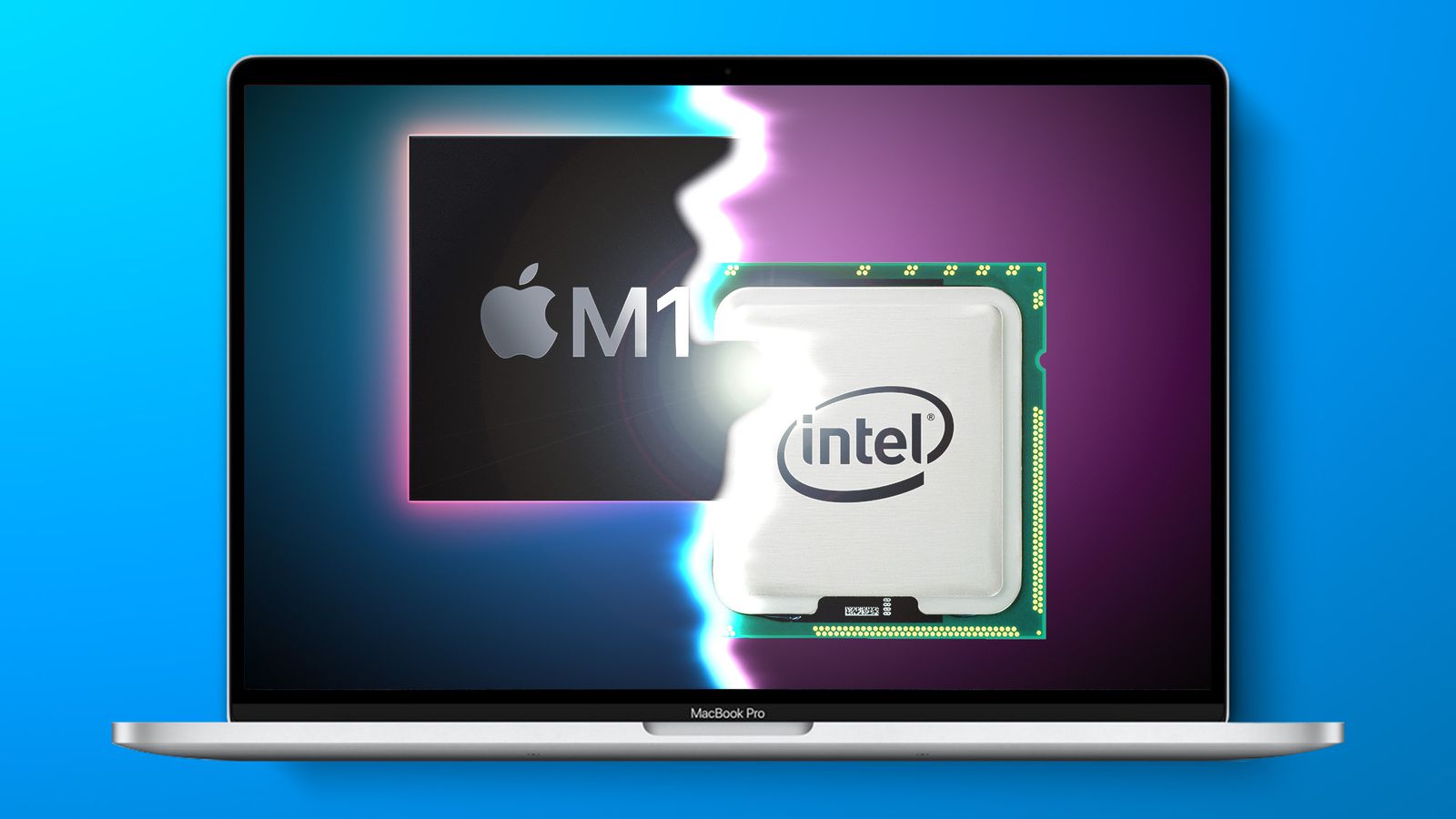
First, some history: Apple has used Intel processors in its Mac lineup for 15 years, transitioning from PowerPC to Intel in early 2006 and announcing the shift to its own Apple silicon in June 2020, starting with the M1 Macs.
macOS Tahoe will be the last version of macOS that supports Intel-based Macs, with Apple planning to phase out Intel Macs entirely following its transition to Apple silicon.
Apple this month reminded developers and users that future versions of macOS will not support Intel machines.
Rosetta 2 (the translation engine that allows Apple silicon Macs to run older Intel versions of software) support for apps will end after macOS 27. Also, starting with macOS Tahoe 26.4 (due out in April), when users launch an app on an Apple silicon Mac that uses Rosetta 2, there will be a popup letting them know that the app will no longer work when support for Rosetta 2 ends.
macOS 27 will launch in September 2026, so the end of support for Intel-based Macs is approaching.
Eek! What’s an Intel Mac User to do?
First of all, don’t panic. Your current Intel Mac will continue to work with the latest version of Mac OS that it can run for as long as the hardware is healthy.
Just like a used car, there comes a point in a Mac’s lifespan that you will need to replace it with a newer model. Besides being generally pretty wonderful, the Apple silicon Macs (M1, M2, M3, M4 and now M5) also have some amount of AI built in. Apple has said that future version of the Mac OS will have a much improved version of Siri as a result.
To determine what model of Mac you have, go to the Apple menu and choose, “About This Mac.”
If you’d like some help figuring out your next, best steps with acquiring an Apple silicon-based Mac, contact us and we will get you going!
Extracted from a longer article from MacRumors.